Discover the Benefits of Using Sage Knowledgebase for Your Business


In today’s fast-paced business world, having access to the right information at the right time is crucial. One tool that can significantly improve your business’s efficiency and customer support is the Sage Knowledgebase. A comprehensive knowledge management system, Benefits of Using Sage Knowledgebase allows businesses to store, organize, and access vital information in a centralized, user-friendly platform. Whether you’re handling customer support, troubleshooting technical issues, or managing internal processes, Sage Knowledgebase provides the infrastructure to make these tasks easier and more efficient.
In this article, we will explore what Sage Knowledgebase is, how it works, its key benefits, and how businesses can use it to streamline operations. Additionally, we will highlight several real-world examples of how Sage Knowledgebase has been implemented successfully and provide insights on how to purchase it.
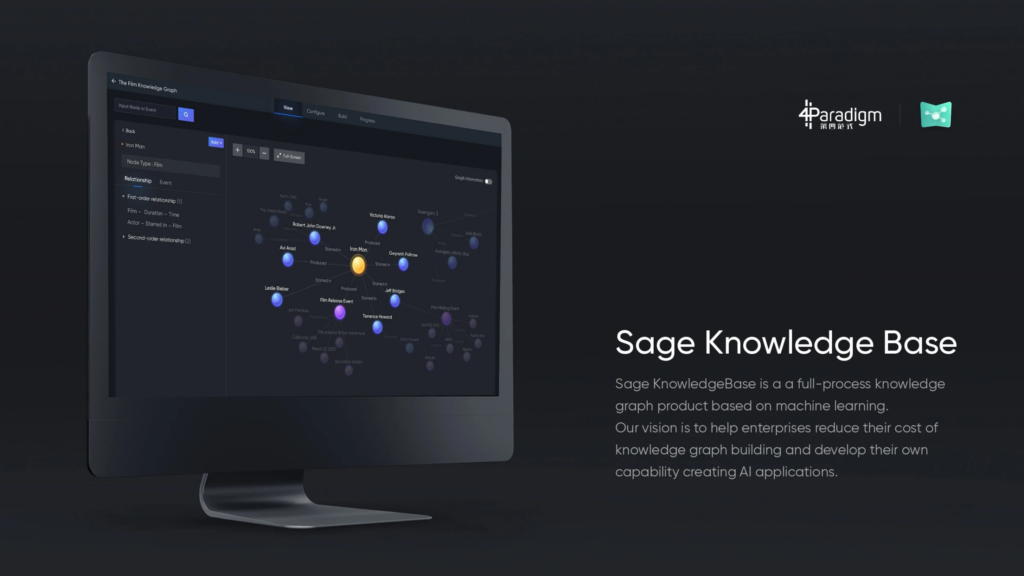
What is Sage Knowledgebase?
Sage Knowledgebase is a cloud-based knowledge management platform designed to help businesses store and access their valuable information. It acts as a central repository for documents, articles, and FAQs that can be accessed by employees, customers, and support teams. By organizing this information in a way that is easy to search and navigate, Sage Knowledgebase ensures that users can quickly find the answers they need, reducing downtime and improving efficiency.
One of the key features of Sage Knowledgebase is its search functionality. With its advanced search algorithms, users can search for articles, solutions, and documentation in real-time, finding relevant information quickly. It also allows users to organize content by categories, making it easier for teams to access specific resources based on their needs.
Benefits of Using Sage Knowledgebase
1. Enhanced Customer Support
A well-organized knowledge base can significantly improve your customer support process. By providing your customers with easy access to FAQs, troubleshooting guides, and tutorials, Sage Knowledgebase reduces the volume of incoming support tickets. Customers can resolve their issues independently, freeing up time for support staff to focus on more complex cases. This leads to faster response times, increased customer satisfaction, and reduced operational costs.
2. Improved Internal Collaboration
Sage Knowledgebase is not only beneficial for customer-facing interactions but also enhances internal communication. It allows teams within a business to collaborate effectively by providing access to shared resources, best practices, and important documentation. Whether you’re a small team or a large enterprise, Sage Knowledgebase ensures that everyone is on the same page, making it easier to share knowledge and avoid duplication of effort.
3. Scalable Solution for Growing Businesses
As businesses grow, so does the volume of information they need to manage. Sage Knowledgebase is highly scalable, meaning it can accommodate increasing amounts of data as your business expands. It also allows businesses to create customized workflows and permissions, ensuring that employees can access the information they need without compromising security or confidentiality.
4. Streamlined Training and Onboarding
New employee training can be time-consuming and costly. With Sage Knowledgebase, businesses can create a comprehensive repository of training materials, guides, and resources that new hires can access at their own pace. This helps streamline the onboarding process, making it quicker and more efficient. Additionally, employees can refer back to these resources as needed, ensuring they always have access to up-to-date information.
Top Sage Knowledgebase Use Cases

1. Reducing Customer Support Tickets
One of the most significant challenges for businesses is managing customer support tickets. By providing customers with self-service access to troubleshooting guides, FAQs, and product documentation, Sage Knowledgebase can dramatically reduce the number of tickets your support team receives. For example, a retail business that integrates Sage Knowledgebase can direct customers to articles on product setup, common issues, and return policies, allowing them to resolve issues independently. This can result in faster issue resolution and reduced costs for customer service teams.
2. Empowering Employees with Access to Company Resources
Sage Knowledgebase is also a powerful tool for internal knowledge sharing. For instance, in a technology company, the IT department can create a knowledge base filled with technical documentation, troubleshooting steps, and software manuals. Employees across the company can access these resources when needed, which streamlines workflows and reduces downtime when employees face technical challenges.
3. Providing 24/7 Customer Access
Many businesses operate in multiple time zones and have customers who require support outside of regular business hours. With Sage Knowledgebase, you can provide customers with 24/7 access to self-service resources, allowing them to get help even when your support team is not available. This is particularly beneficial for businesses with global reach, ensuring that all customers have access to assistance regardless of their location.
Real-World Examples of Sage Knowledgebase Implementations
1. Sage Knowledgebase for Retail Businesses
Retail businesses can use Sage Knowledgebase to manage product information, returns, shipping policies, and customer service inquiries. By consolidating all this information in a central knowledge base, businesses can ensure that customers can find the answers they need quickly and independently. This reduces the burden on customer service representatives and improves the overall customer experience.
- Learn more at Sage Knowledgebase.
2. Sage Knowledgebase for IT Team
IT teams benefit from using Sage Knowledgebase to manage internal technical documentation, best practices, and troubleshooting guides. This centralized repository allows IT professionals to access important information without searching through multiple platforms, improving productivity and reducing downtime.
- Learn more at Sage Knowledgebase.
3. Sage Knowledgebase for Healthcare Providers
Healthcare providers can use Sage Knowledgebase to create a secure and accessible repository for patient care protocols, medical documentation, and regulatory guidelines. This ensures that healthcare workers have the most up-to-date information at their fingertips, improving patient care and reducing errors.
- Visit Sage Knowledgebase.
How to Buy Sage Knowledgebase
To purchase Sage Knowledgebase, visit the official Sage website or contact their sales team for a demo. Sage offers various pricing plans based on the size of your business and the features you need. If you’re unsure about which plan is right for you, Sage offers consultations to help you determine the best solution for your business needs.
You can purchase Sage Knowledgebase directly from their website or authorized resellers. Many providers offer flexible subscription models to accommodate businesses of all sizes. Check out the official links to make your purchase:
- Sage Knowledgebase: Visit Website
Frequently Asked Questions (FAQs)
What is Sage Knowledgebase?
Sage Knowledgebase is a cloud-based knowledge management system that helps businesses store, organize, and access information quickly and efficiently. It allows businesses to centralize their knowledge, improving customer support, internal collaboration, and employee training.
How can Sage Knowledgebase improve customer service?
By providing customers with easy access to FAQs, troubleshooting guides, and product documentation, Sage Knowledgebase allows them to find solutions to their problems without needing to contact support. This leads to faster issue resolution, reduced support ticket volume, and increased customer satisfaction.
Can Sage Knowledgebase be customized for my business?
Yes, Sage Knowledgebase is highly customizable. Businesses can organize content by categories, create tailored workflows, and set permissions to ensure that only authorized individuals can access specific information. This flexibility makes it suitable for businesses of all sizes and industries.
Comments are closed.